Creating a Meditation Space at Home: Sensory Tips for Reflection Spaces
On meditation, healing, and building a space that supports stillness
TL;DR:
A meditation space at home doesn’t need to be complicated—just intentional, calming, and easy to return to.
Why Creating a Meditation Space Matters
Meditation has been my saving grace.
Especially as I continue to heal from what I perceived as the chaos of postpartum hormones. They amplified an anxiety I have quietly carried for most of my life.
At one point, it became loud.
Loud enough that I knew I needed to reach for every tool available to me.
Meditation was one of them.
And it continues to be.
While I do have dedicated accouterments for my rituals and corners in my home where I sit to meditate, it has become incredibly important for me to keep the practice accessible.
If I need to, I will meditate in my bed.
In the shower.
While holding my baby.
In the car.
Anywhere I can find a moment to take a few intentional breaths.
I encourage you to do the same.
Take time to breathe wherever and whenever it works for you.
What makes a Space Feel Calm
That being said, there is something powerful about having a space you return to.
Creating a dedicated space does a few subtle but important things.
It begins to hold energy.
Over time, your body and mind start to recognize it. You sit down, and something in you softens a little faster.
It also signals intention.
This is where I come to pause. To breathe. To come back to myself.
And the beauty of it is that it doesn’t have to be confined to just one place.
By incorporating small elements throughout your home, any space can become a meditation space. A corner of your bedroom. A spot on the floor in your living room. Even a quiet moment at your kitchen table.
It’s less about where, and more about how you return.
Meditation Spaces at Home: where to Start
If you do want to create your own space, think of it less as decorating and more as creating a sensory experience.
At its core, it’s about gently engaging your senses.
The Essentials you Actually Need
Sight
Introduce colors that feel grounding to you.
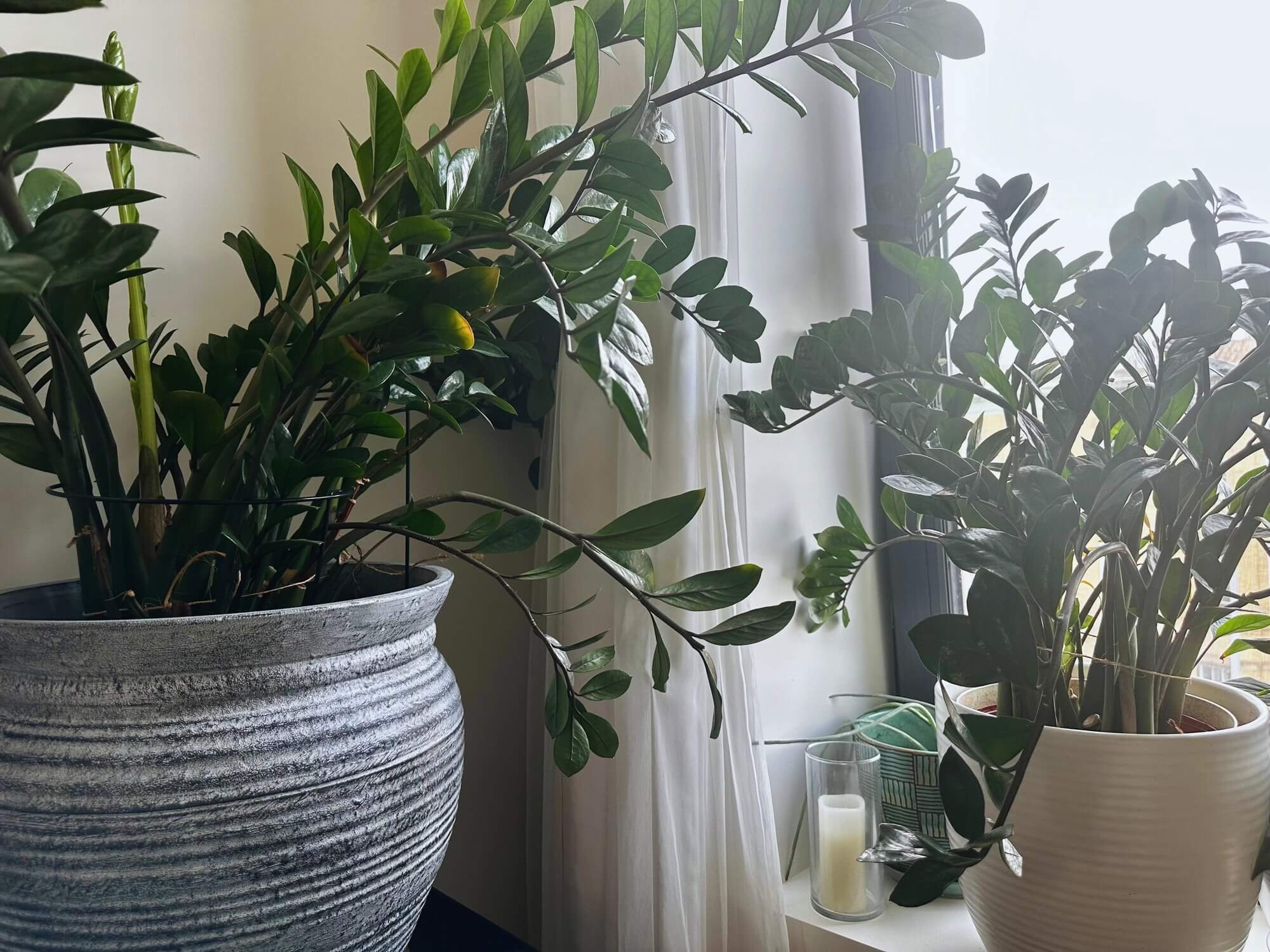
For me, that’s green. I almost always incorporate it into my space—usually through plants, but sometimes even through what I’m wearing.
A bouquet of flowers is another beautiful way to introduce color. Both plants and flowers bring a sense of life into a space, and that presence has a way of translating inward.
I also keep objects that carry meaning. In one space, I have a feather that reminds me to keep my heart light. In another, I have images of my ancestors, which keep me connected to something larger than myself.
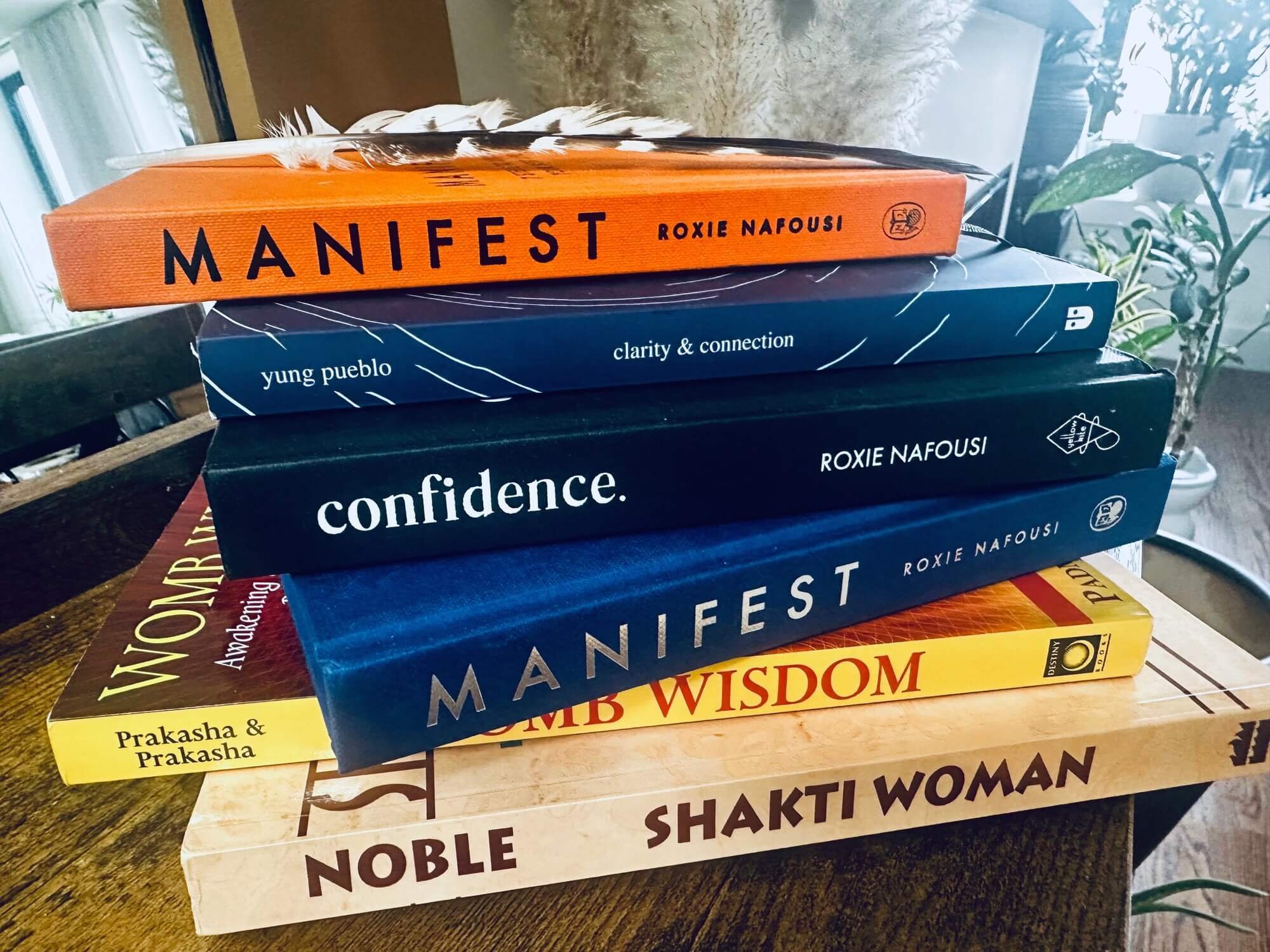
A wooden beaded necklace or a book that inspires you can also live here. Small things that gently draw you inward.
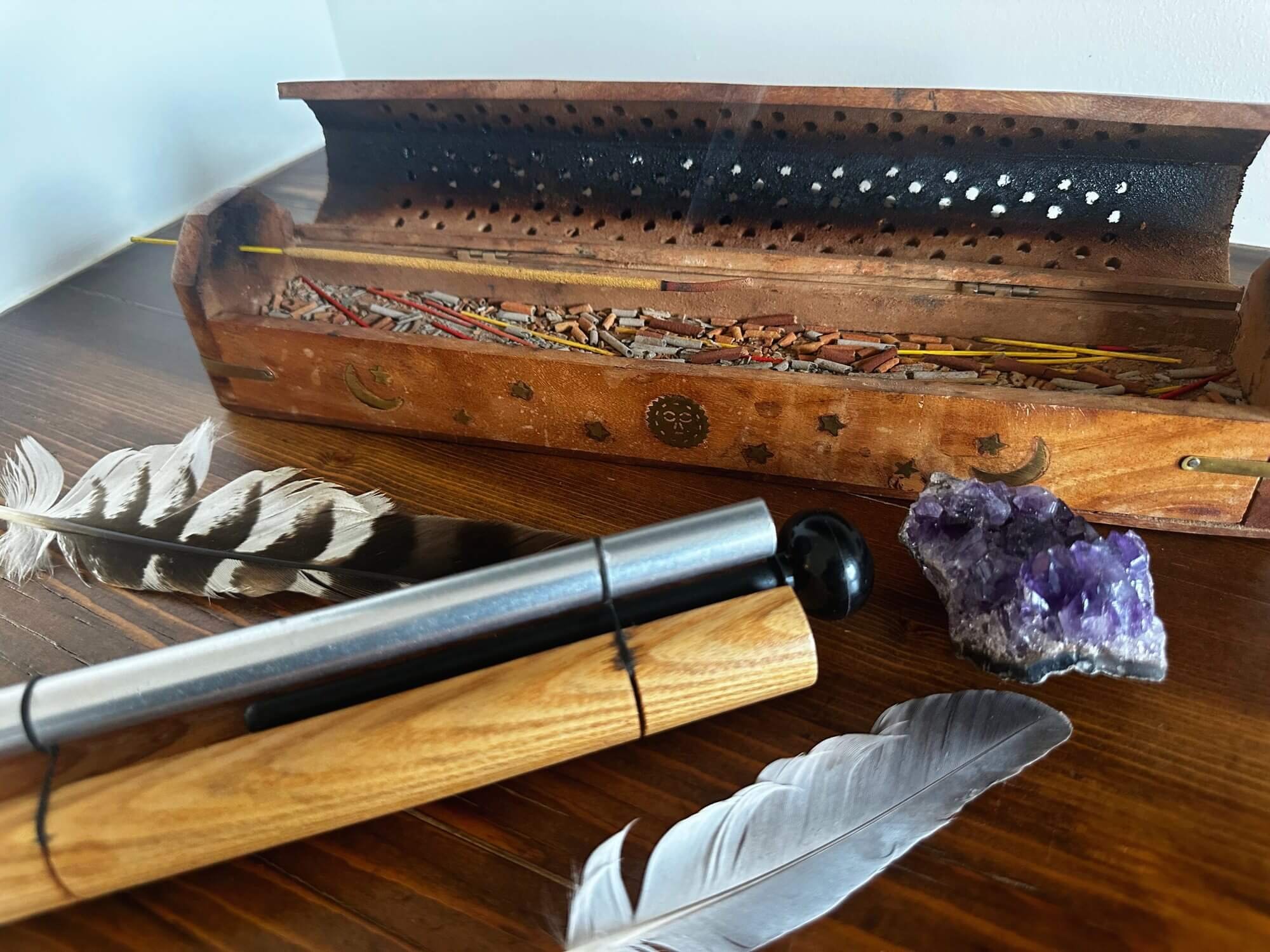
Crystals can be a beautiful addition. They bring visual interest and a quiet sense of intention.
Scent
Scent shifts everything.
Plants naturally bring in a subtle fragrance, but I also use non-toxic candles and incense. I love incense. It immediately signals to my body that I’m stepping into something intentional.
Burning sage or palo santo can also create a sense of preparation.
Even something as simple as dabbing a natural oil onto your skin can help anchor you into the moment.

Touch
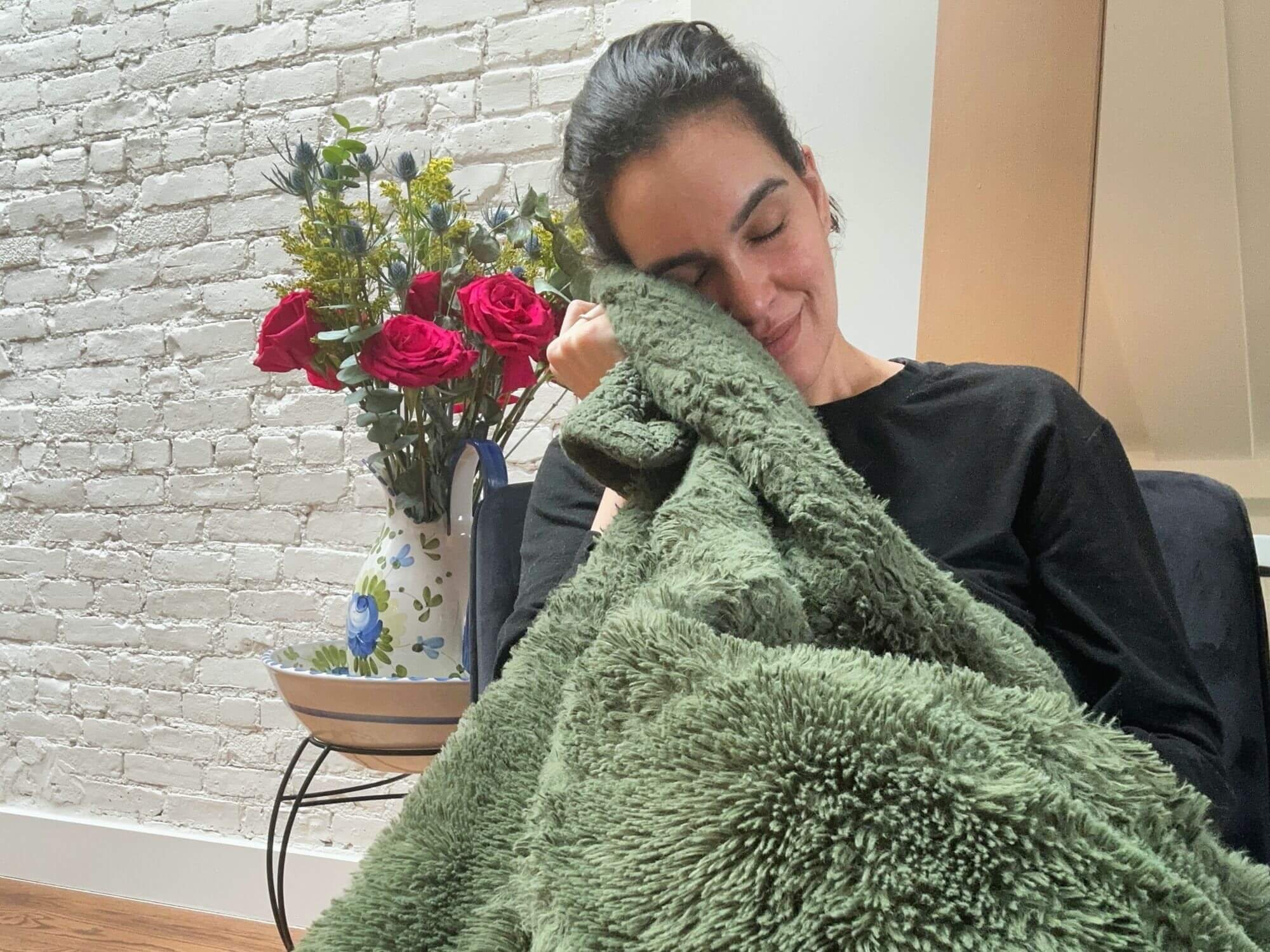
This is where you can bring in a sense of comfort.
A soft blanket. A supportive cushion. Something that allows your body to relax more easily.
Your body is your first home.
Tend to it.
Draping yourself in something soft or luxurious can be part of the ritual. Even watering your plants before you sit can become a tactile way to transition into stillness.
Opening a window to let in a gentle breeze, or taking a seat outside, can shift everything. The air brings in the elements—just like fire when you light a candle, or water when you tend to your plants. That natural circulation can gently wake your body, just enough to keep your attention.
I live in Brooklyn, and meditating with the window open—or outside—has sharpened my practice. Sometimes it invites me to tune in more deeply, expanding my awareness. Other times, it teaches me to tune things out. Both feel equally valuable.
Crystals can live here too. Amethyst is one of my favorites. Its deep, rich hue is beautiful, and it is often associated with calm, clarity, and emotional balance.
Sound
I often play meditative music to guide me into the right mental space.
Sometimes it's a soft, ambient sound. Other times, more traditional meditation music. Sometimes it’s a low-fi beat.
That’s how I make the practice my own. By honoring what feels good to me.
I also have a chime that I’ll play to signal that I’m about to begin. It’s a small cue, but over time it becomes something your body recognizes.
Playing or listening to sound bowls is another beautiful way to settle in.
Taste
This one is subtle, but powerful.
A few drops of a food-grade essential oil can stimulate your senses, open your nasal passages, and deepen your breath.
Peppermint is one of my favorites. I keep it stashed away with some of my other tools in my primary meditation spot, so it’s always there when I need it.
Designing a Space you’ll Return to
None of this needs to be perfect.
None of it needs to look a certain way.
These are just tools.
Make it your own.
How to Make It part of Your Routine
And remember, the space is not a requirement.
It’s an offering.
Because at the end of the day, you don’t need a perfect corner to begin.
You just need a moment.
A breath.
A willingness to return.
Again and again.
Key Takeaways:
You don’t need a full room to create a space
Consistency matters more than aesthetics
Keep it simple and personal
Your environment supports your practice
